Aggressive Dog Training Nairobi
Aggressive Dog Training Nairobi
Professional behavior correction and obedience training designed to help aggressive, reactive, fearful, and difficult dogs become calmer, safer, and easier to manage in everyday situations across Nairobi and Kenya.
Behavior Correction
Structured training helps reduce aggression, reactivity, and unsafe behavior.
Safe Obedience Training
Dogs learn calmness, focus, leash control, and better impulse management.
Owner Guidance
Professional coaching helps owners safely manage difficult behavior at home.
What Is Dog Aggression?
Dog aggression refers to behaviors intended to threaten, intimidate, or react defensively toward people, animals, or situations. Aggression can range from growling and barking to lunging or biting.
Many aggressive dogs are not naturally dangerous. In most cases, aggression develops because of fear, anxiety, poor socialization, frustration, or lack of structure and training.
Common Types of Dog Aggression
Fear-Based Aggression
Dogs react aggressively because they feel unsafe or threatened.
Leash Aggression
Dogs bark, pull, or lunge aggressively during walks outdoors.
Territorial Aggression
Dogs become defensive around gates, compounds, or visitors.
Resource Guarding
Dogs aggressively protect food, toys, or sleeping areas.
Early Warning Signs of Aggression
Growling and Snapping
Dogs often warn before aggression escalates further.
Excessive Barking
Intense barking may indicate stress, fear, or territorial behavior.
Stiff Body Language
Tension and freezing are common signs of discomfort or stress.
Lunging During Walks
Reactive dogs often struggle to remain calm outdoors.
Why Dogs Become Aggressive
Most aggressive dogs are not “bad dogs.” Many are fearful, overstimulated, anxious, or simply lacking proper structure and training.
Poor Socialization
Dogs that lack healthy exposure to people and environments often become reactive.
Fear and Anxiety
Fear is one of the most common causes of aggressive behavior.
Lack of Obedience
Dogs without structure often develop frustration and poor impulse control.
Inconsistent Rules
Unclear boundaries create confusion and behavioral instability.
Common Aggressive Dog Problems in Nairobi
Aggression Toward Visitors
Dogs bark aggressively or react defensively toward guests entering the home.
Dog-to-Dog Reactivity
Many dogs struggle to remain calm around other dogs during walks.
Leash Pulling and Lunging
Overstimulated dogs often react strongly to movement and distractions outdoors.
Resource Guarding
Some dogs become possessive over food, toys, or resting areas.
How Professional Aggressive Dog Training Works
Behavior Assessment
Trainers identify triggers, stress responses, and behavioral patterns.
Structured Obedience
Dogs learn sit, stay, heel, recall, focus, and calm leash behavior.
Impulse Control Training
Dogs learn patience, calmness, and emotional regulation.
Controlled Socialization
Dogs are gradually exposed to triggers in safe, structured environments.
Common Mistakes Owners Make
Punishing Growling
Growling is a warning signal and should not simply be suppressed.
Delaying Professional Help
Aggression usually becomes more difficult to manage over time.
Lack of Exercise
Dogs with excess energy are often more reactive and frustrated.
Inconsistent Rules
Mixed messages from family members confuse dogs and worsen behavior.
Breeds That Often Need Specialized Training

German Shepherds
Intelligent working dogs that require structure and leadership.
Rottweilers
Powerful dogs that benefit from early obedience and socialization.
Belgian Malinois
High-drive dogs requiring heavy mental and physical stimulation.
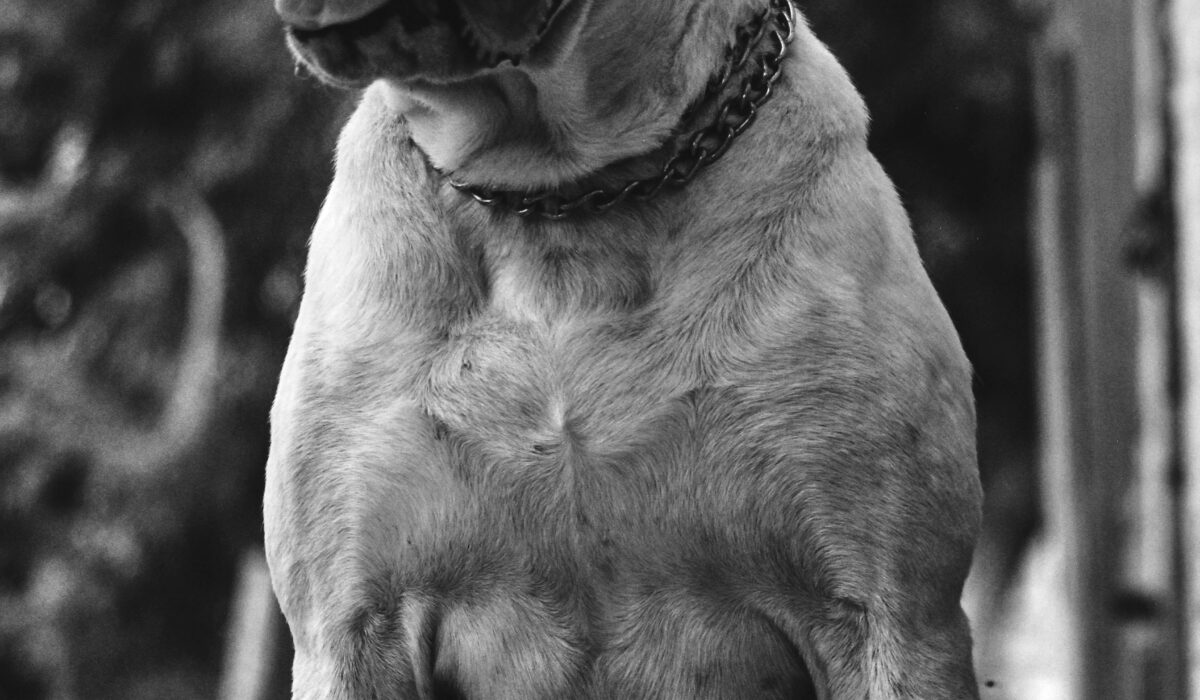
Boerboels
Protective dogs that require calm and structured leadership.
Benefits of Professional Aggressive Dog Training
Improved Safety
Training creates safer environments for families and visitors.
Better Obedience
Dogs become calmer, more focused, and easier to control.
Reduced Owner Stress
Owners gain confidence handling their dogs in public situations.
More Enjoyable Walks
Structured leash training improves outdoor experiences significantly.
Frequently Asked Questions
Can aggressive dogs be trained?
Yes. Many aggressive dogs improve greatly with structured training and consistency.
What causes aggression in dogs?
Fear, poor socialization, anxiety, lack of structure, and frustration are common causes.
How long does aggressive dog training take?
Training duration depends on the dog’s behavior history and severity of aggression.
Is aggressive dog training safe?
Yes. Professional trainers use structured and controlled handling methods.
Which dogs commonly need aggression training?
Working and protection breeds often benefit from specialized obedience and behavior correction.
Need Help With an Aggressive or Reactive Dog in Nairobi?
Prime K9 Training provides structured aggression rehabilitation, obedience training, leash correction, and calm behavior development for dogs across Nairobi and Kenya.
Book a Behavior Assessment